
The 1859 Eruption of Mauna Loa.
Cover Image: Masthead of Ka Hae Hawaii, printed on November 11, 1859.
Aloha Nūhou Monday!
Dear Reader,
The 1859 eruption of Mauna Loa lasted roughly 300 days. It began on the evening of January 23 at its summit crater, Mokuʻāweoweo, followed by an outbreak high on the northwest flank.
J.H. Kaakua wrote his personal account of the eruption in an article titled, “No ka Pele,” on the front page of Ka Hae Hawaii, November 11, 1859. This issue is not currently available on OHA’s Papakilo Database. Thankfully, it was recently digitized by He Aupuni Palapala and is among those that will soon be added to the online repository so that readers may enjoy more of the valuable content stored in our nūpepa ʻōlelo Hawaiʻi.
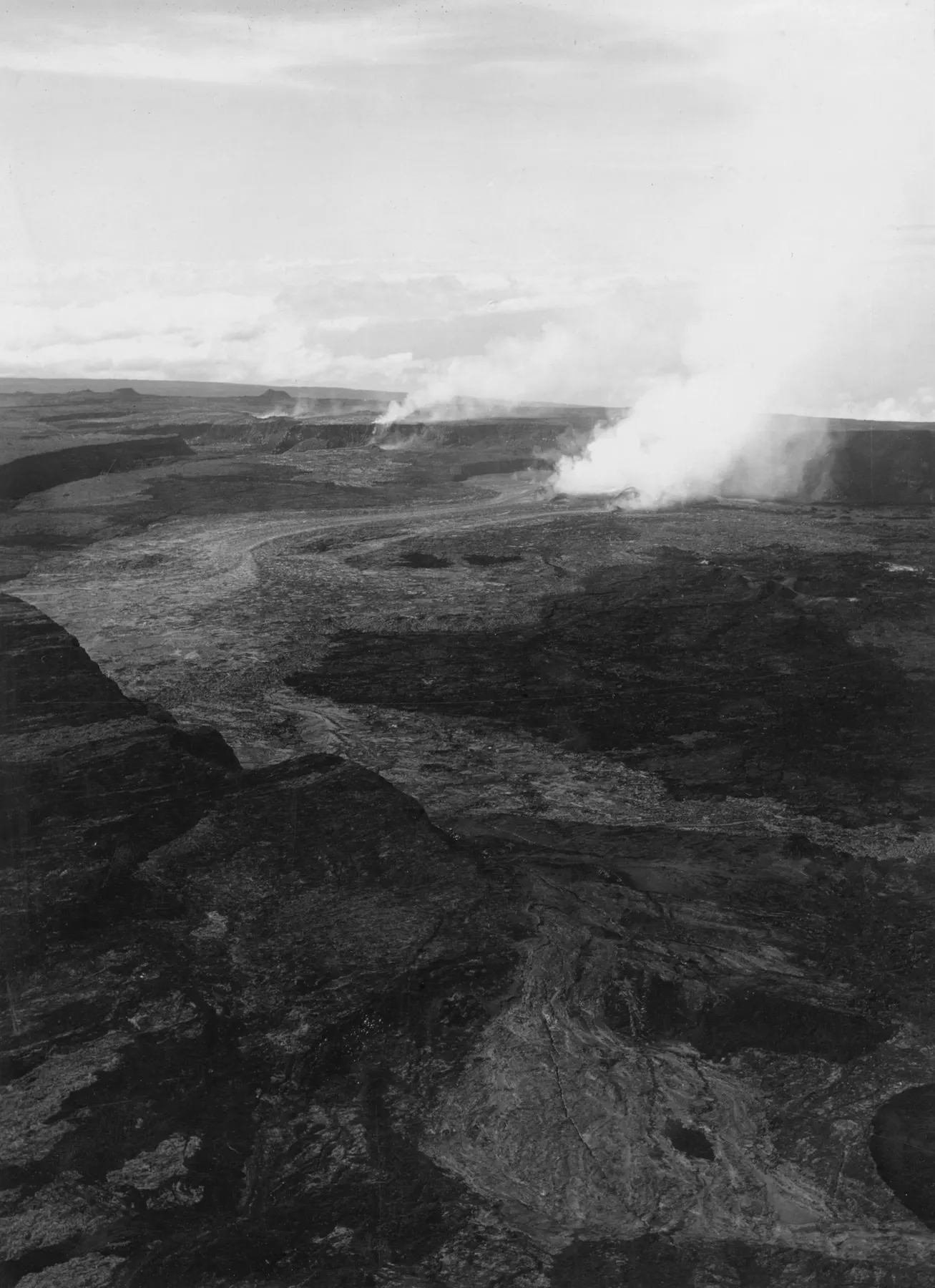
Image: Aerial view of an eruption in Mokuʻāweoweo Crater at the summit of Mauna Loa, Hawaii Island. December 1933. Bishop Museum Archives, SP 224441.
Image sharing on social media is welcome. For all other uses please contact Archives@BishopMuseum.org.
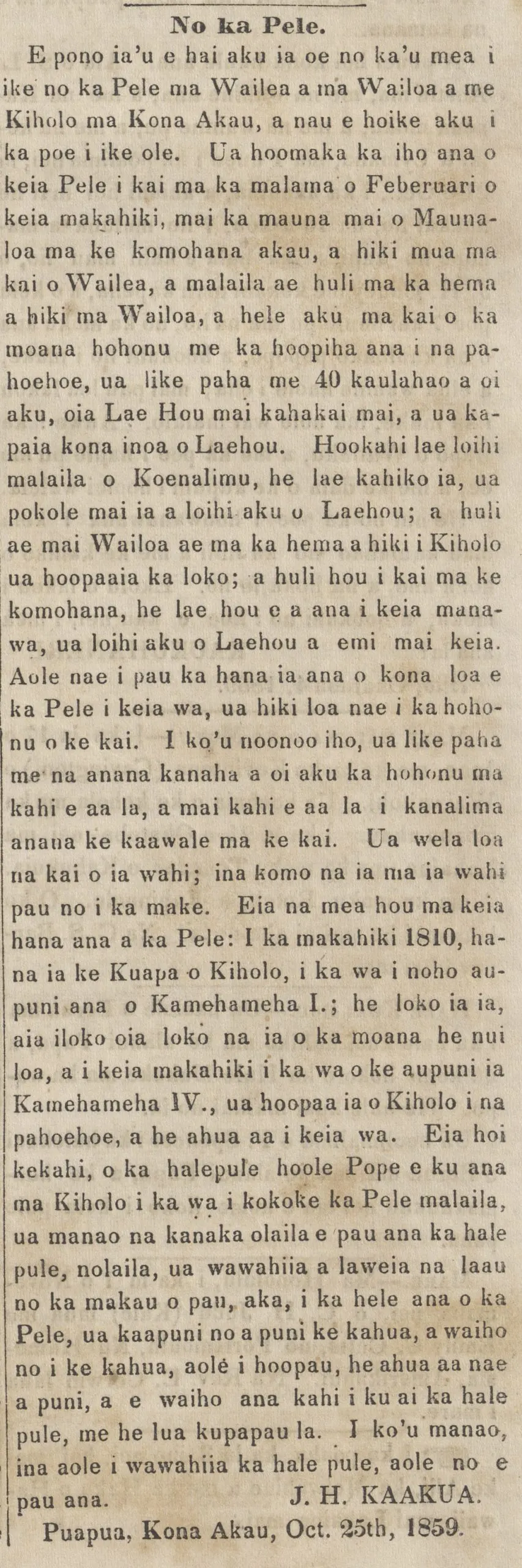
Image: “No ka Pele,” Ka Hae Hawaii, November 11, 1859, p. 125.
Image sharing on social media is welcome. For all other uses please contact Archives@BishopMuseum.org.
Concerning the Lava Flow.
It will be well for me to tell what I have seen concerning the lava flow at Wailea, at Wailua and at Kiholo in North Kona, and you will tell those who have not seen it. The flow began to go seaward in the month of February of this year, from the northwest side of Mauna Loa. It reached Wailea first, and from there it turned south to Wailoa, and continued on to the deep sea, smooth lava (pahoehoe) extending into it to about forty chains or more in length. This new point [of land] has been named Lae-hou (New Point). There is a long point there called Koena-limu. It is an old point and shorter than Lae-hou. The flow turned on the south side of Wailoa and went to Kiholo where it covered the pond. Then it turned again to the west, where a new point is burning now. Lae-hou is a long point, but this one is shorter. The lava has not finished building it, but it is now in the depths of the sea. I think it is about forty or more fathoms deep where it is burning, and from that burning spot it is about fifty fathoms to the shore. The sea there is very hot and any fish that comes there dies. This is the news concerning these doings of the volcano.
In the year 1810, the Kiholo pond was built, during the reign of Kamehameha I. It was a fishpond in which many kinds of deep-sea fish were kept and, in this year, in the reign of Kamehameha IV, Kiholo is closed by the lava. It is now only a heap of lava rocks.
This is another thing. The Protestant church that stood at Kiholo was removed when the lava flow drew near. The people thought that it would be burned down, so they razed it and took the lumber away lest it be destroyed. But when the lava flow came, it went around the site leaving it untouched. There is a circle of lava rocks surrounding it, and the spot where the church stood remains there like a grave. I believe that if the church had not been razed, it would not have been destroyed anyway.
J. H. KAAKUA.
Puapua, North Kona, Oct. 25th, 1859.
(Translation from the Hawaiian Ethnological Notes (HEN) of the Bishop Museum Archives, Ka Hae Hawaii, November 9, 1859, p. 125. No reproduction without written permission.)
This post is part of He Aupuni Palapala: Preserving and Digitizing the Hawaiian Language Newspapers, a partnership between Bishop Museum and Awaiaulu with assistance from Kamehameha Schools. Mahalo nui loa to Hawaii Tourism Authority for their support. Learn more about this project here.
More from Ka Hae Hawaii
See all →
Abbreviations
How do you save space, time, and money? One way the Hawaiian language newspapers accomplished this was by using abbreviations.
News from correspondents afar.
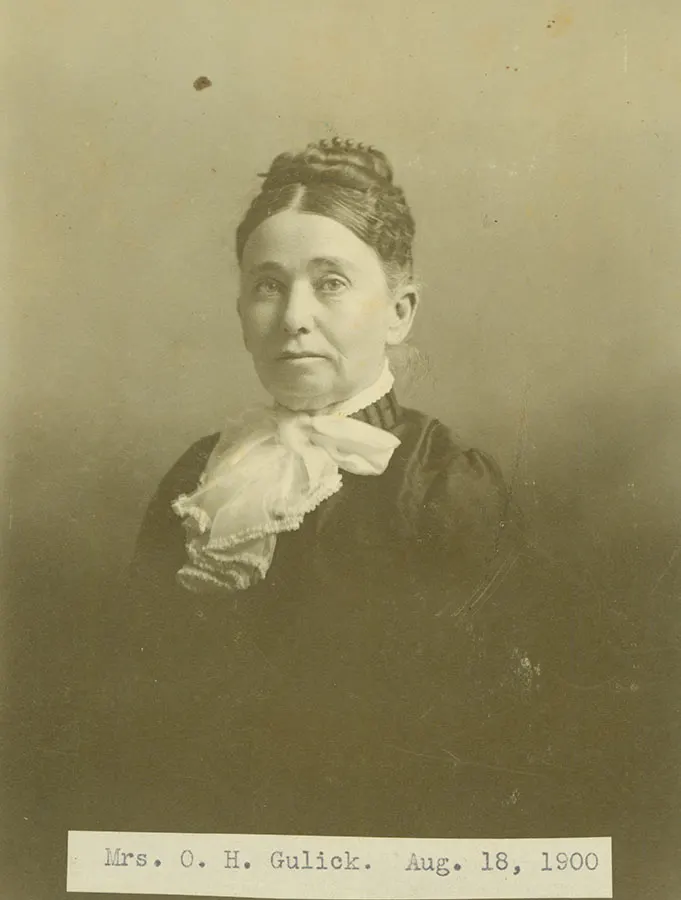
Orramel Hinckley Gulick, or Oramela (Oremela) H. Kulika, as he was known in Hawaiian, was the publisher of the Alaula, a newspaper1 intended to educate children. He is ordained in 1862 and in 1870 was assigned by the American Board to teach in Japan. He leaves Hawaiʻi with his wife Ann Eliza (Clark) on June 23, 1870 aboard the Ekake (Ajax). He writes to his Alaula and the Kuokoa of his impressions along the way.
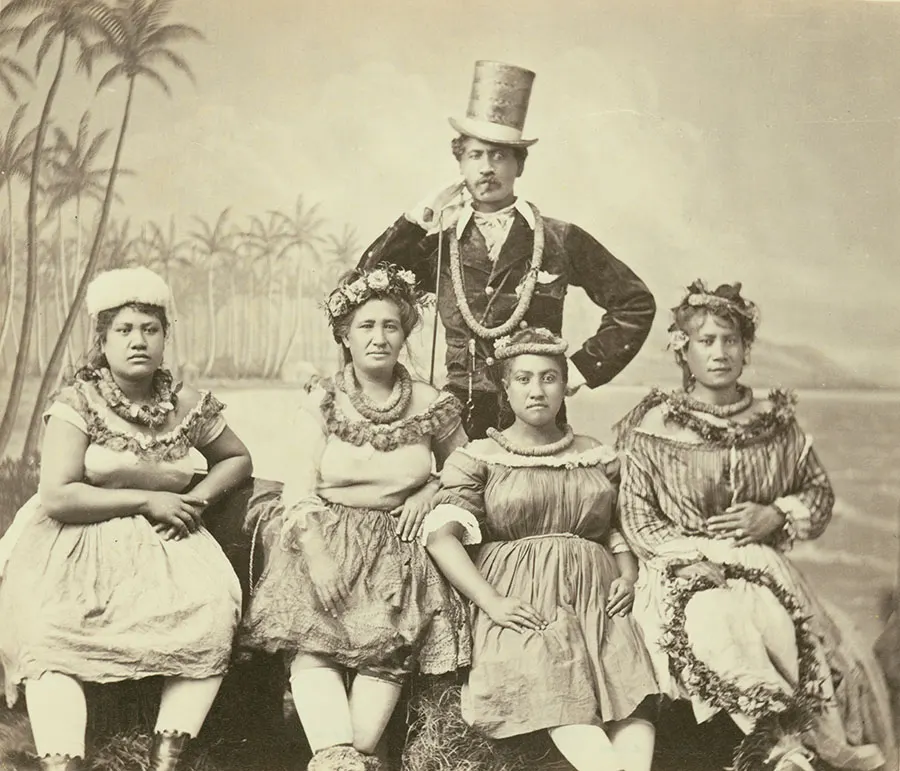
Law Restricting Hula Performances, 1859.
Newspapers were used to inform the people of what the legislature discussed while in session, and which bills become law. One of the bills considered in 1859 was one requiring a license issued by the Minister of the Interior in order to put on a hula show.
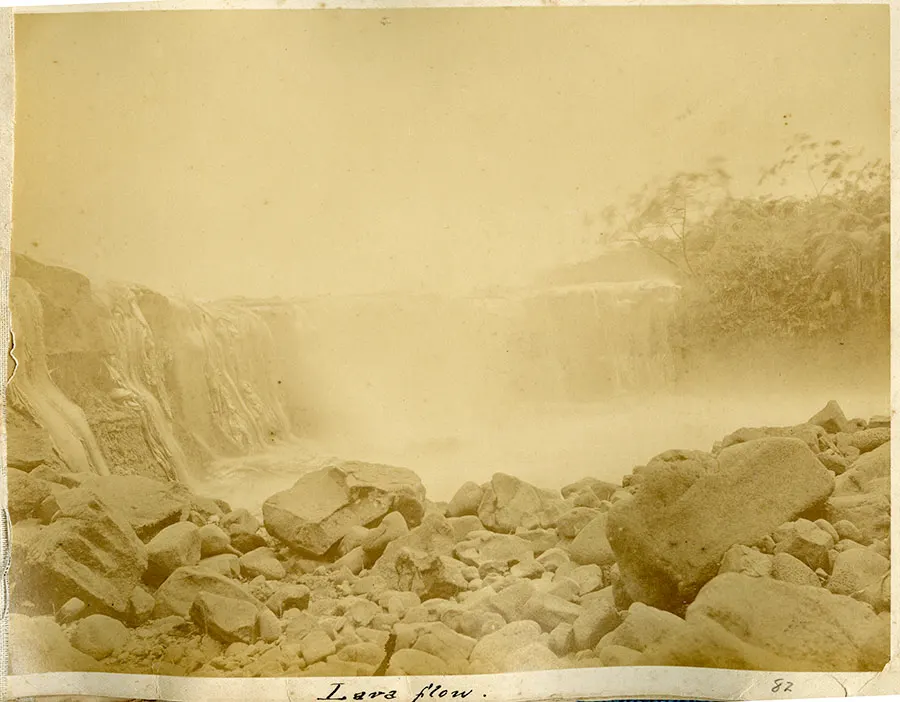
Mokuʻāweoweo Lava Flow 170 Years Ago Today.
Pele’s activities these past months have been awesome. 170 years ago, an eruption began lasting over a year. It had Hilo people worried. The story is taken from a larger article first describing an eruption dating back to about 1789 when Keōua and his warriors were making their way from Hilo to Kaʻū and a great number perished due to the scorching sands and poisonous gas.