
Rarotonga, Host of the 6th Festival of Pacific Arts & Culture
Cover Image: Masthead of Ka Nupepa Kuokoa published on October 10, 1868.
Aloha Nūhou Monday!
This week’s post honors the Cook Islands which, in 1992, became the 6th nation to host the Festival of Pacific Arts & Culture. This festival was held in Rarotonga and celebrated the ocean-voyaging heritage of Oceania. FestPAC is the world’s largest celebration of Indigenous Pacific Islanders, bringing together artists, cultural practitioners, scholars, and officials from member nations of the Pacific Community (SPC).
This traveling festival is held every four years and was first launched by the South Pacific Commission in 1972 to halt the erosion of traditional practices through ongoing cultural exchange. In June of 2024, Hawaiʻi will host the 13th festival on Oʻahu.
Over the coming months, we will honor each of the previous FestPAC hosts with posts featuring those island nations and their connections to Hawaiʻi’s own history.
In Maui’s local news section of Ka Nupepa Kuokoa in 1868, G.M. Keone of Wailuku wrote about a student of “Aubert” who was teaching Hawaiian students with a Rarotongan Bible. This was Father Aubert Bouillon who founded Maria Lanakila Church, which recently circulated in the news during the 2023 Lahaina fires for remaining miraculously untouched by the destruction, standing tall in the midst of the ashes. Utilizing a Rarotongan Bible to teach Hawaiian students was not entirely unusual considering that the two languages have some of the most similarities within the Polynesian languages.
The word “Rarotonga” in the Hawaiian language is one of several that come through loan from Tahitian language. It is trans-literated from the Tahitian by replacing the “R” with “L,” and the “ng” with an ʻokina. Thus, resulting with the word Lalotoʻa, or Lalokoʻa.1 It is very common in languages, even Hawaiian, that words are borrowed and trans-literated from other languages. While most recognize the English-turned Hawaiian words, many other words in ʻōlelo Hawaiʻi derive from other languages such as Greek, Hebrew, Japanese, and other global languages beyond Oceania.
1See Elbert & Pukui’s Hawaiian Grammar: 2.9.4
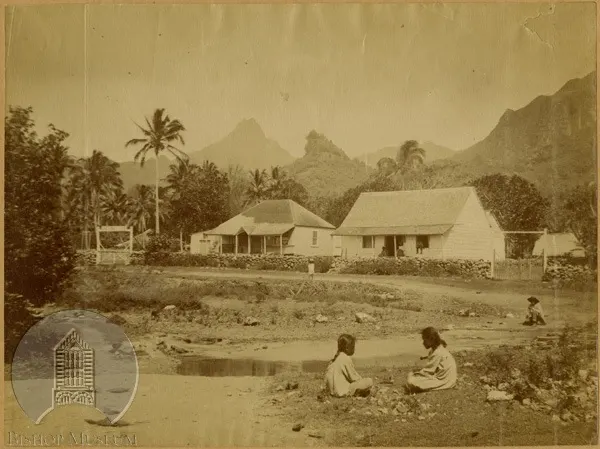
Image: Village scene in Avarua, Rarotonga, Cook Islands, pre-1900s. Bishop Museum Archives, SP 222674
Image sharing on social media is welcome. For all other uses please contact Archives@BishopMuseum.org
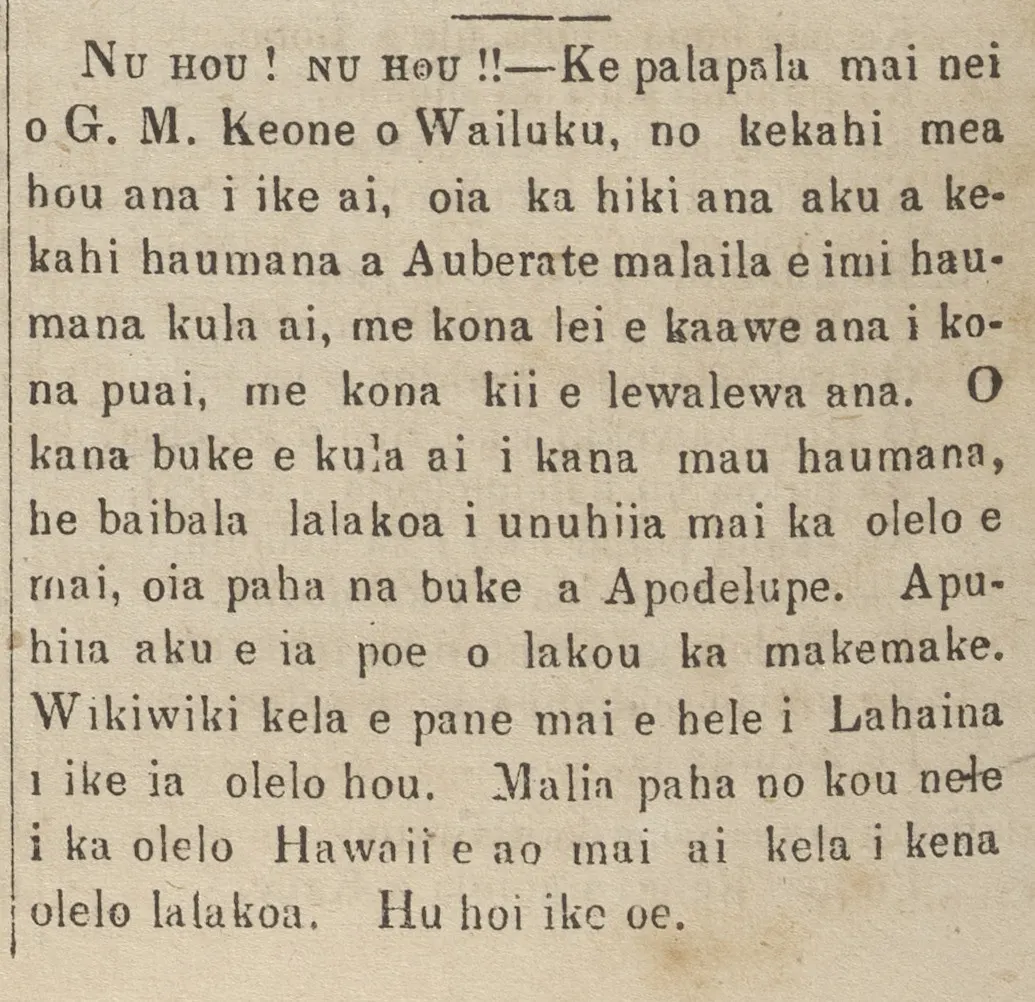
Image: “Nu hou! Nu hou!!” Ka Nupepa Kuokoa, October 10, 1868, p. 2.
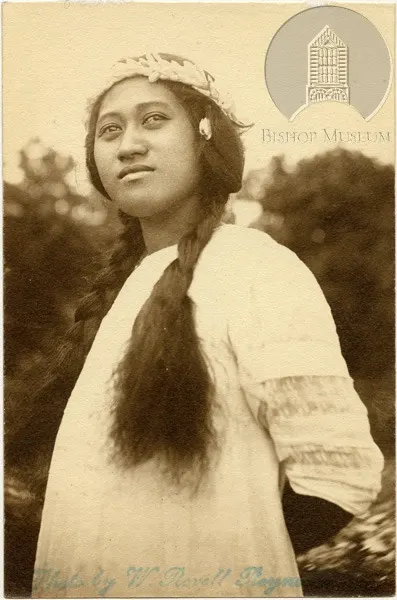
Image: Rarotongan women; Rarotonga, Cook Islands. Photo by W. Rorell Reynolds. Bishop Museum Archives, SP 96106
Image sharing on social media is welcome. For all other uses please contact Archives@BishopMuseum.org
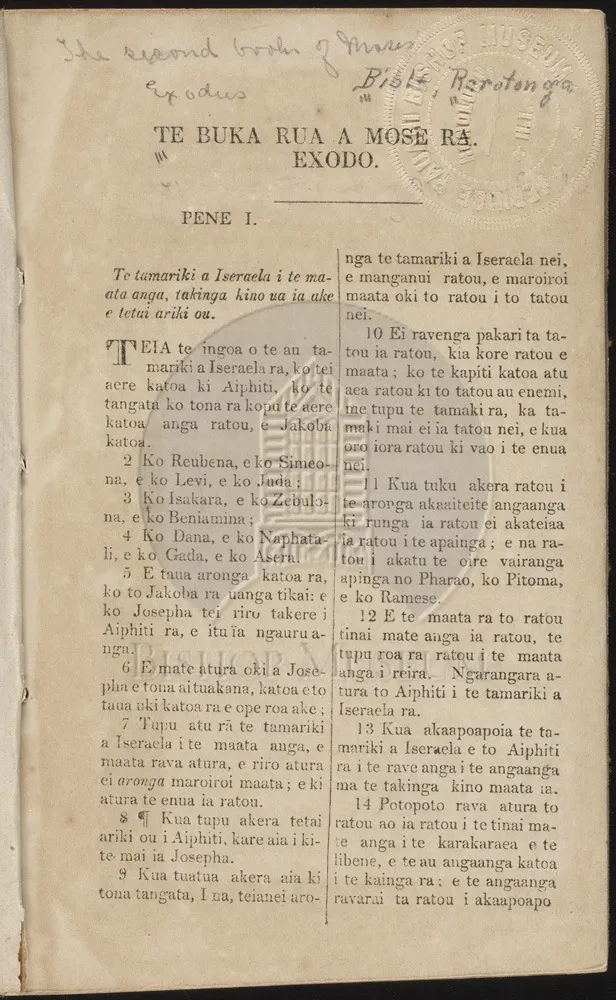
Image: Image sharing on social media is welcome. For all other uses please contact Archives@BishopMuseum.org
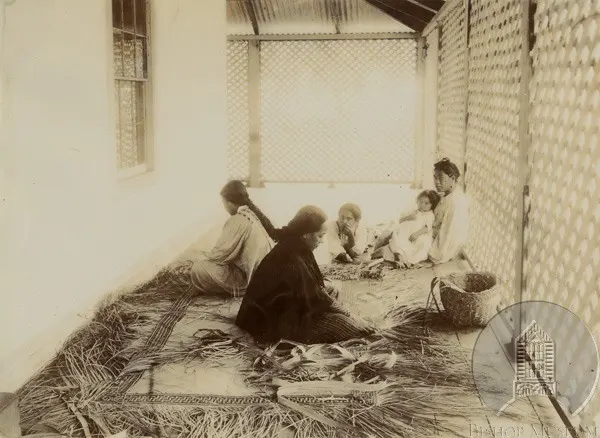
Image: Making mats in Rarotonga, Cook Islands. Bishop Museum Archives, SP 103943
Image sharing on social media is welcome. For all other uses please contact Archives@BishopMuseum.org
This post is part of He Aupuni Palapala: Preserving and Digitizing the Hawaiian Language Newspapers, a partnership between Bishop Museum and Awaiaulu with assistance from Kamehameha Schools. Mahalo nui loa to Hawaii Tourism Authority for their support. Learn more about this project here.
More from Ka Nupepa Kuokoa
See all →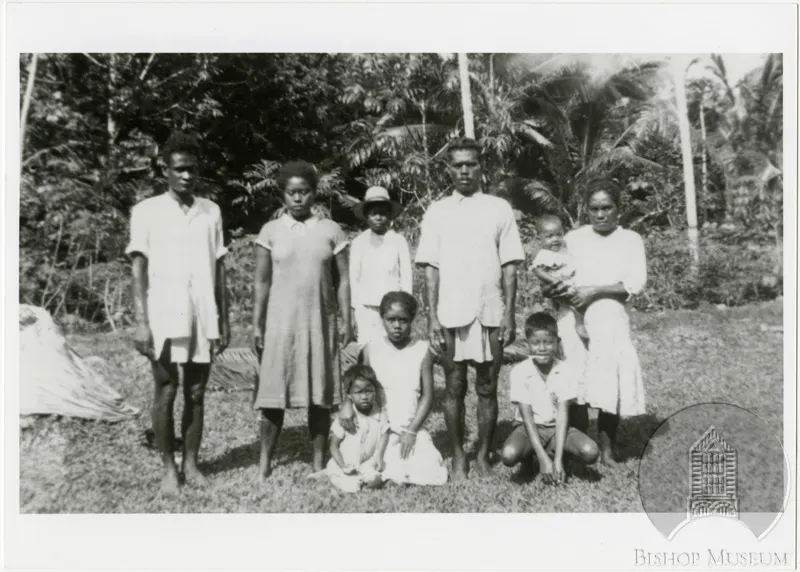
Palau, Host of the 9th Festival of Pacific Arts & Culture
Dear Reader, this week’s post honors Palau, or Belau which, in 2004, became the 9th nation to host the Festival of Pacific Arts & Culture. This festival was held throughout the islands of Palau and celebrated the theme of “Oltobed a Malt – Nurture, Regenerate, Celebrate.”
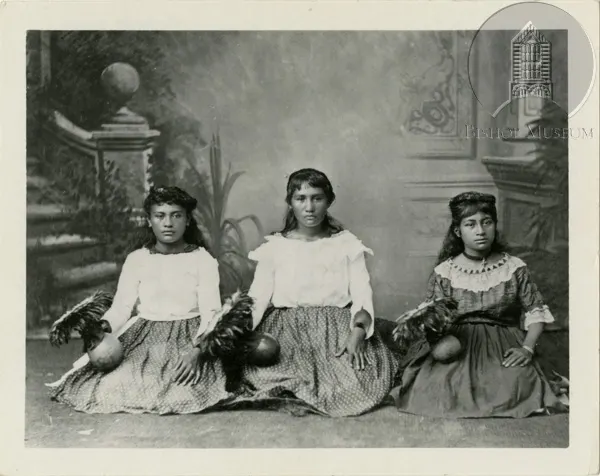
ʻŪniki Hula at Halehaku, Hāmākua Loa, Maui, 1868
This week’s post was contributed by team member, Kilinoe Kimura. With the annual Merrie Monarch Hula competition being just days away, we’d like to honor this season with an article from Ka Nupepa Kuokoa that highlights the commitment to hula of those who came before. At Halehaku, Maui, on August 5, 1868, a hula ʻūniki (graduation) was held. The author of this article, who goes by the initials S. K. K., on the surface seems to be criticizing the hula school and its activities. But what if he is simply spreading the word that there is a hula group on Maui. Is S. K. K. getting free ad space?
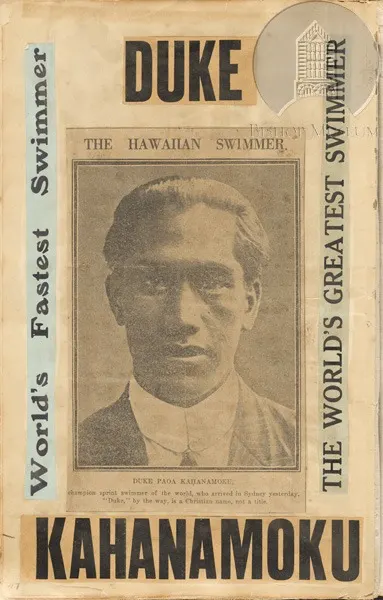
Australia, Host of the 5th Festival of Pacific Arts & Culture
Australia, Host of the 5th Festival of Pacific Arts & Culture Back to Library & Archives Cover Image: Masthead of Ka Nupepa Kuokoa published on January 8, 1915. Aloha Nūhou Monday! Dear Reader, This week’s post honors Australia which, in 1988, became the 5th nation to host the Festival of Pacific Arts and Culture, under […]
He Leo Hoʻolaha No Nā ʻŌlelo Noʻeau
Dear Reader, this week’s post honors mahina ʻōlelo Hawaiʻi in showcasing an effort to preserve Hawaiian language and knowledge at the Bishop Museum.