
May Day, 1944.
Cover Image: Masthead of Ka Hoku o Hawaii published on May 10, 1944.
Aloha Nūhou Monday!
With the world and Hawaiʻi in the middle of World War II, many yearly festivities were canceled, including some celebrating Lei Day. The following article from the Hilo newspaper Hoku o Hawaii shows the differing circumstances between Hilo and Honolulu.

Image: “Ka La Lei.” Ka Hoku o Hawaii, May 10, 1944, p. 1.
Lei Day
On the first of May of every year, the making of lei is always celebrated. That day has become an important day for us here in Hawaiʻi. Everyone is seen wearing lei, from adults to children. Once exhibits were held and prizes placed for the most beautiful, or the most original.
Since then a number of commemorations have been held on the first of May, like shows at exhibition grounds where there are performances of hula, Hawaiian singing, and other things done at Hawaiian celebrations.
This year those activities went on as in times past, but here in Hilo, it was not celebrated as usual. Places where there were the usual celebrations include a school at Keaukaha where they put on an exhibition of a program of performances at the school.
On that same day, an exhibition was held here at Hilo High School, and according to what was reported, what was carried out went well. Similar activities were held in Kona.
In Honolulu, however, exhibitions were not avoided. That town did not neglect them. People on that island were in total agreement that the activities commemorating Lei Day should go on. The expenses were perhaps of no consequence to them, for the well-to-do locals are there, and they do not think about the extent of the cost.
In past years, the Hawaiian Civic Club of Hilo carried out the supervision of the exhibition. This year however, they did not carry this out. The reasons being perhaps there was not enough “charcoal to run the engine that moves things forward.”
(Hoku o Hawaii, 5/10/1944, p. 1)
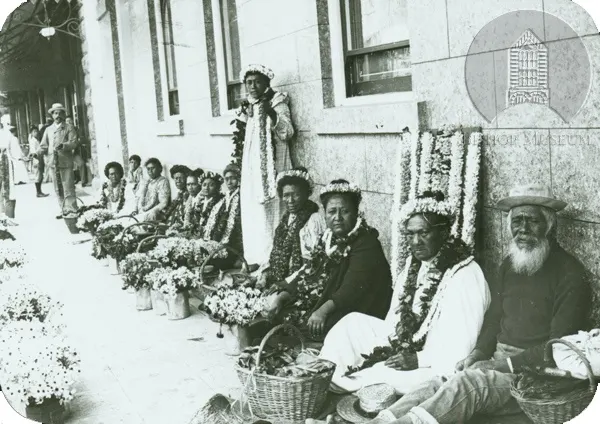
Image: Lei vendors from an earlier time, Hawaiʻi. ca. 1897. Photo by Christian J. Hedemann. Bishop Museum Archives. SP 92252
Image sharing on social media is welcome. For all other uses please contact Archives@BishopMuseum.org.
This post is part of He Aupuni Palapala: Preserving and Digitizing the Hawaiian Language Newspapers, a partnership between Bishop Museum and Awaiaulu with assistance from Kamehameha Schools. Mahalo nui loa to Hawaii Tourism Authority for their support. Learn more about this project here.
More from Ka Hoku o Hawaii
See all →
Kaʻahumanu Society in Hilo, 1907.
Kaʻahumanu Society in Hilo, 1907. Back to Library & Archives Cover Image: Masthead of Ka Hoku o Hawaii published on July 25, 1907. The Hawaiian language newspapers reported in its pages the activities of the many organizations across the Archipelago. Whether it be a Christmas performance by the Makawao Sunday School, a meeting to select […]
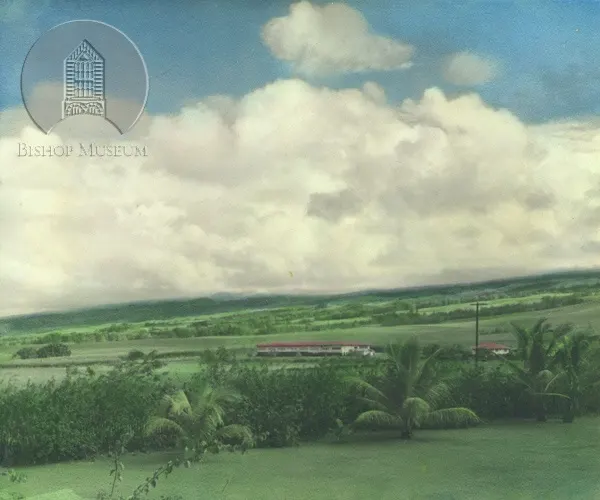
Mrs. Reinhardt describes the sights and sounds of country life during World War II.
Hattie Linohaupuaokekoolau Saffery Reinhardt was a school teacher and a correspondent for Ka Hoku o Hawaii from Hāmākua.
Unpaid Subscriptions, 1845.
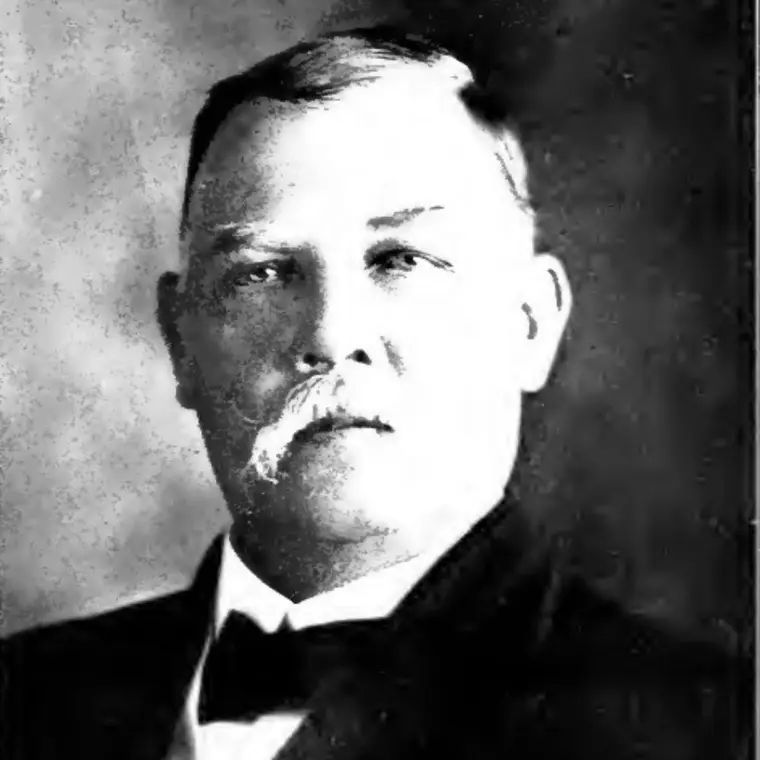
Stephen Langhern Desha, editor of the Hilo newspaper Hoku o Hawaii appeals to conscience of his readership to try and get them to pay for their subscriptions.

Bits of News from a Hundred Years Ago.
In many of the Hawaiian language newspapers, there was a column of short news items of all sorts: descriptions of neighborhood parties, the latest weather, fundraiser announcements, and who took whom to court and for what.