
He Aupuni Palapala
Cover Image: Printing press image featured in the article, “Ke Alaula,” which describes the processes involved in the production of the newspaper. Ke Alaula, July 1868, p. 14.
Dear Readers,
Welcome to our page featuring blog posts for He Aupuni Palapala: Preserving and Digitizing the Hawaiian Language Newspapers. This will be a place where we talk about the history of the Hawaiian language newspapers, share images, throw in some newspaper trivia, and keep you updated on the progress of the project. For our inaugural post, we take you back a few weeks ago to an interview between Kamaka Pili of KHON2 News and Kauʻi Sai-Dudoit, our He Aupuni Palapala Project Manager.
#Nupepa #HawaiianLanguageNewspaper #KHON2 #KamakaPili #KauiSaiDudoit #KeAlaula
—Post by Bishop Museum Library & Archives Staff
More from Ke Alaula
See all →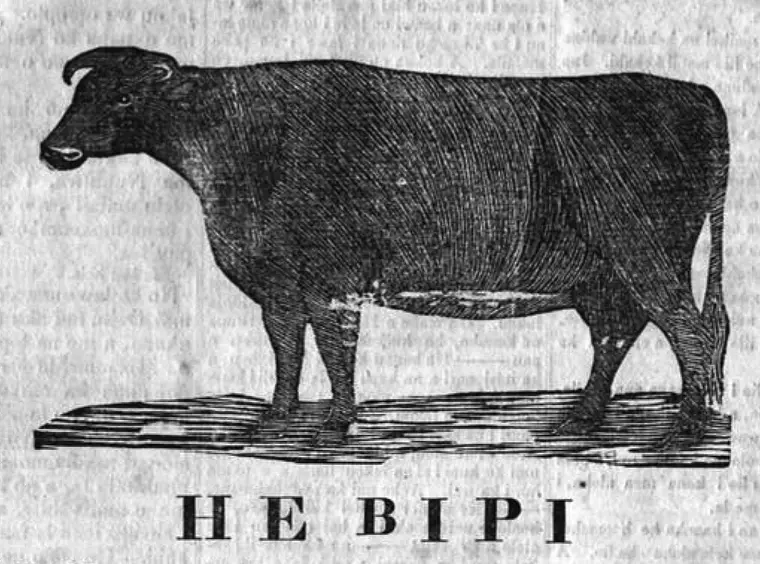
Aesop’s Fables by David Kaluhi Baker
Davida Kaluhi Beka [David Kaluhi Baker] (1863–1927) translates Aesop Romance, a fictional account of the life of Aesop. “He Wahi Moolelo Pokole no Esopa,” runs in Ko Hawaii Pae Aina from August 27 to October 29, 1881. Baker also translates and submits fables as well.
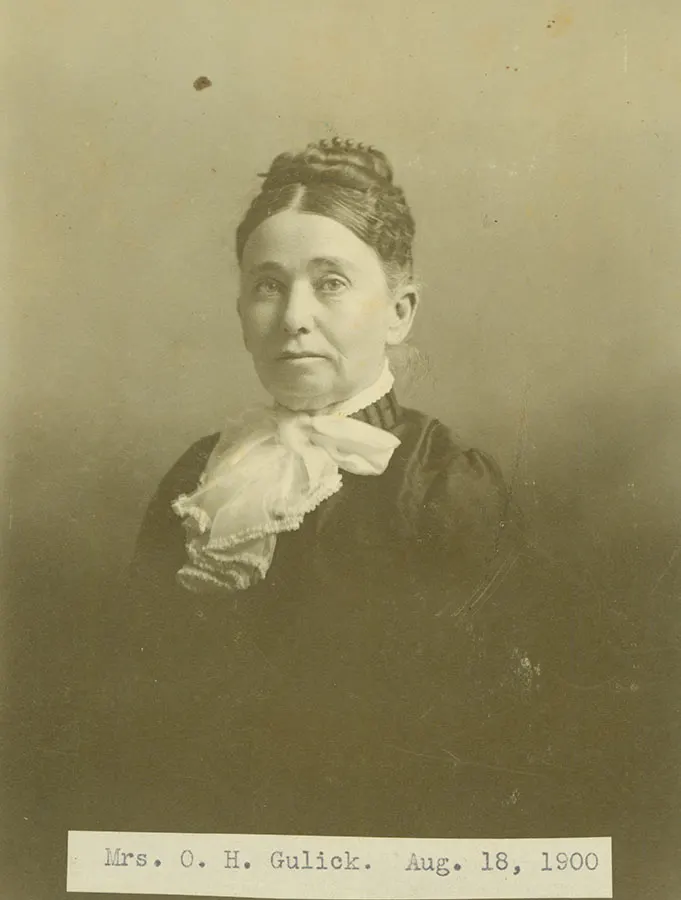
News from correspondents afar.
Orramel Hinckley Gulick, or Oramela (Oremela) H. Kulika, as he was known in Hawaiian, was the publisher of the Alaula, a newspaper1 intended to educate children. He is ordained in 1862 and in 1870 was assigned by the American Board to teach in Japan. He leaves Hawaiʻi with his wife Ann Eliza (Clark) on June 23, 1870 aboard the Ekake (Ajax). He writes to his Alaula and the Kuokoa of his impressions along the way.
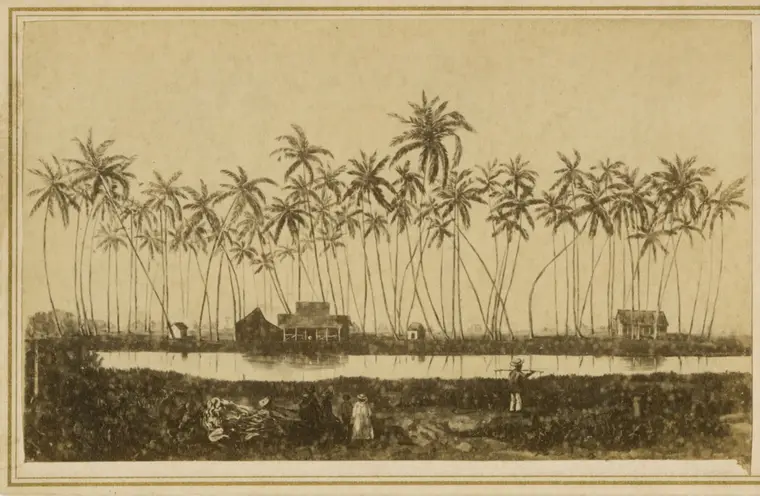
The New Masthead of Ke Alaula and Its Design.
Have you ever wondered about some of the design choices in newspaper mastheads? The newspaper Ke Alaula provides us with an example of a masthead along with the story and explanation behind its design.
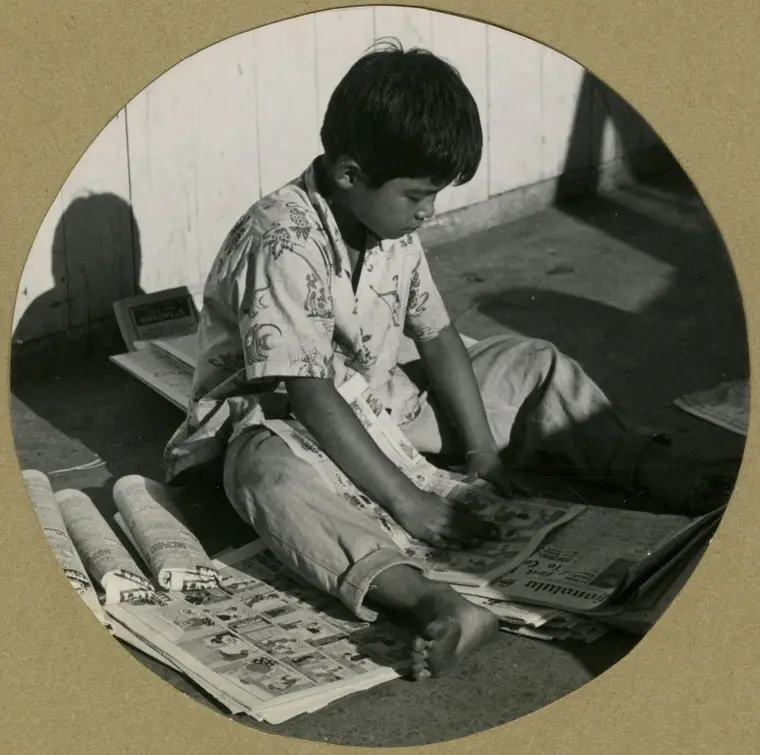
Mai Nānā i Kā Haʻi Nūpepa!
In 1866, Ka Nupepa Kuokoa was on the search for nūpepa thieves!