
Digitization of Ka Hoku o Hawaii
Microfilms: 1906–1917
Aloha Nūhou Monday!
Dear Reader, while cataloging the Bishop Museum collection of Ka Hoku o Hawaii, we realized that the first decade of the Hilo newspaper images were microfilmed and yet for some reason not available online. We decided while we are still in the long process of working out the most efficient and safest methods to digitize the original newspapers, for now the most expedient way to get these pages up online would be to put our newly acquired ScanPro3000 to use and to digitize the microfilms. Although the images will not be anywhere near as good as the images taken from the original newspapers, at least you will have access to the pages that were microfilmed.
We have completed the digitization process and are now working with Papakilo Database to get them OCRed and put up online. Soon you will be able to see things like:
The biography of David Waiau written at his death by his wife Kahoopai Waiau. For starters, she informs us that he was born in Nāʻālehu, Kaʻū on June 16, 1854, making him 53 years old, 10 months, 4 days, and 4½ hours at his death. He was born of the loins of Kalaualoha (w) and Keanu (k).
A story about Pele and her younger sister Hiʻiakaikapoliopele submitted by William Hyde Rice of Kauaʻi that ran from May 21, 1908 to September 10, 1908.
An explanation for why Kualapa, Kauaʻi was given its name.
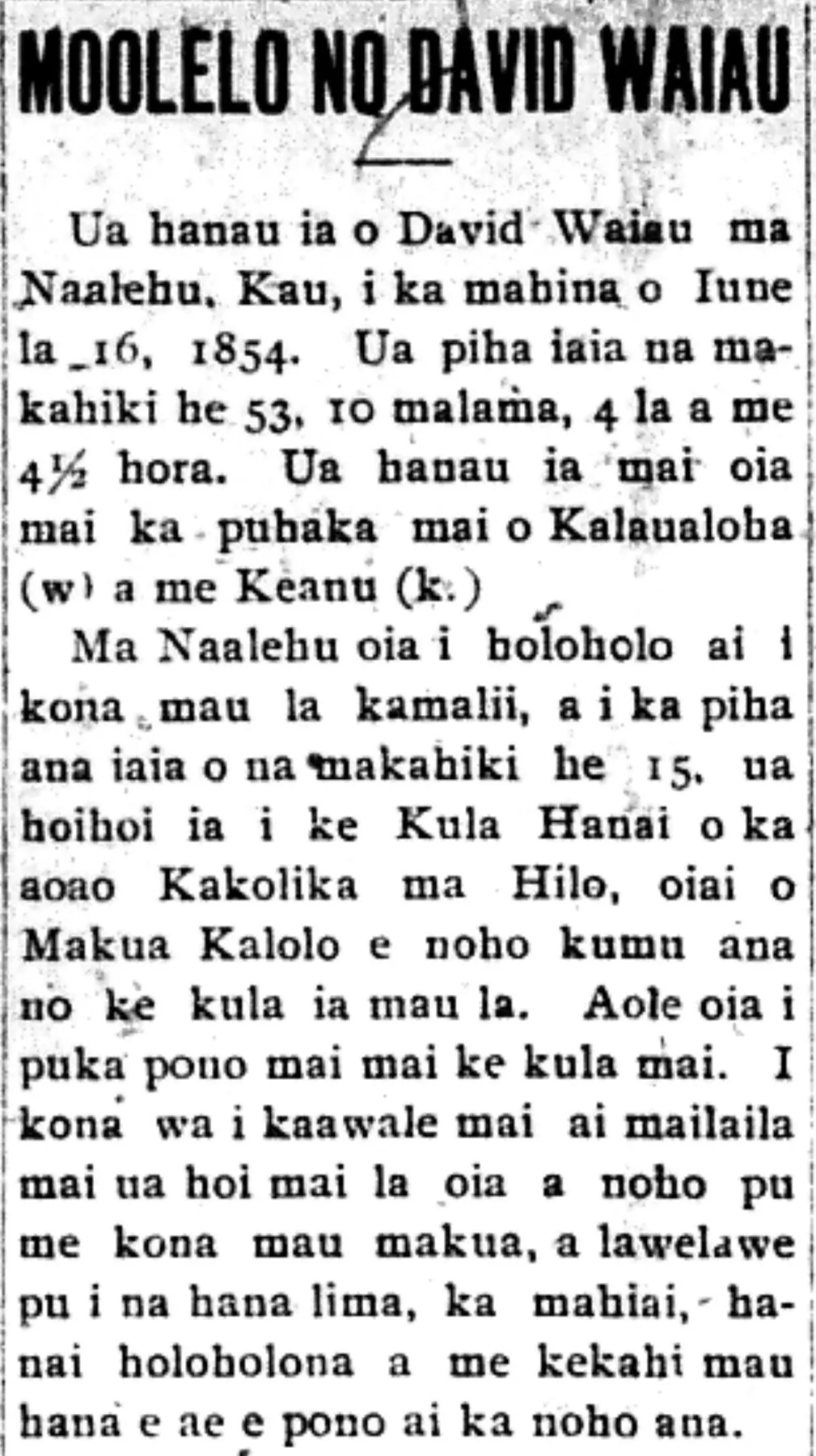
Image: Excerpt from Mrs. Kahoopai Waiau, “Moolelo no David Waiau,” Ka Hoku o Hawaii, May 14, 1908, page 2.
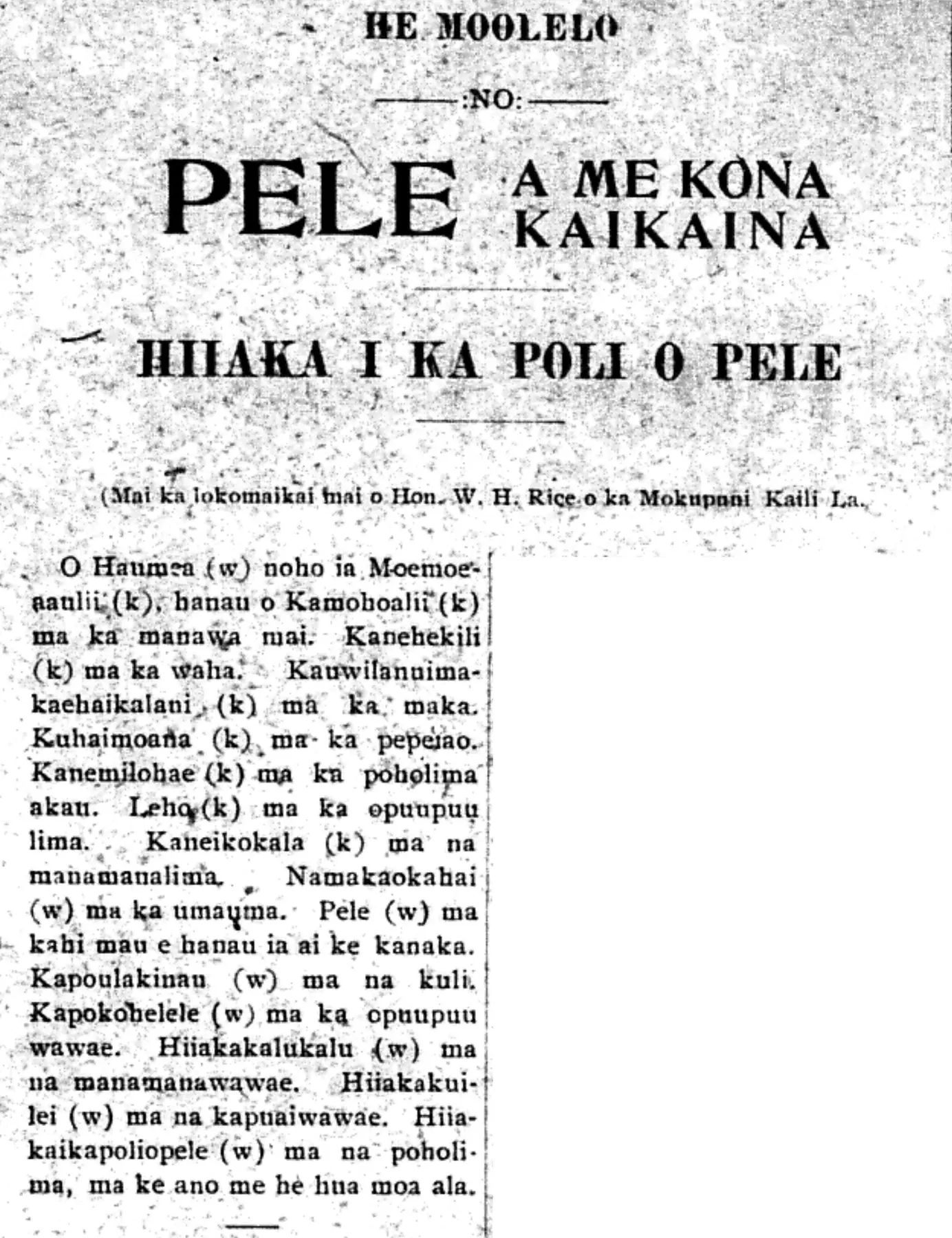
Image: Excerpt from W. H. Rice, “He Moolelo no Pele a me Kona Kaikaina Hiiaka I Ka Poli O Pele,” Ka Hoku o Hawaii, May 21, 1907, page 1.
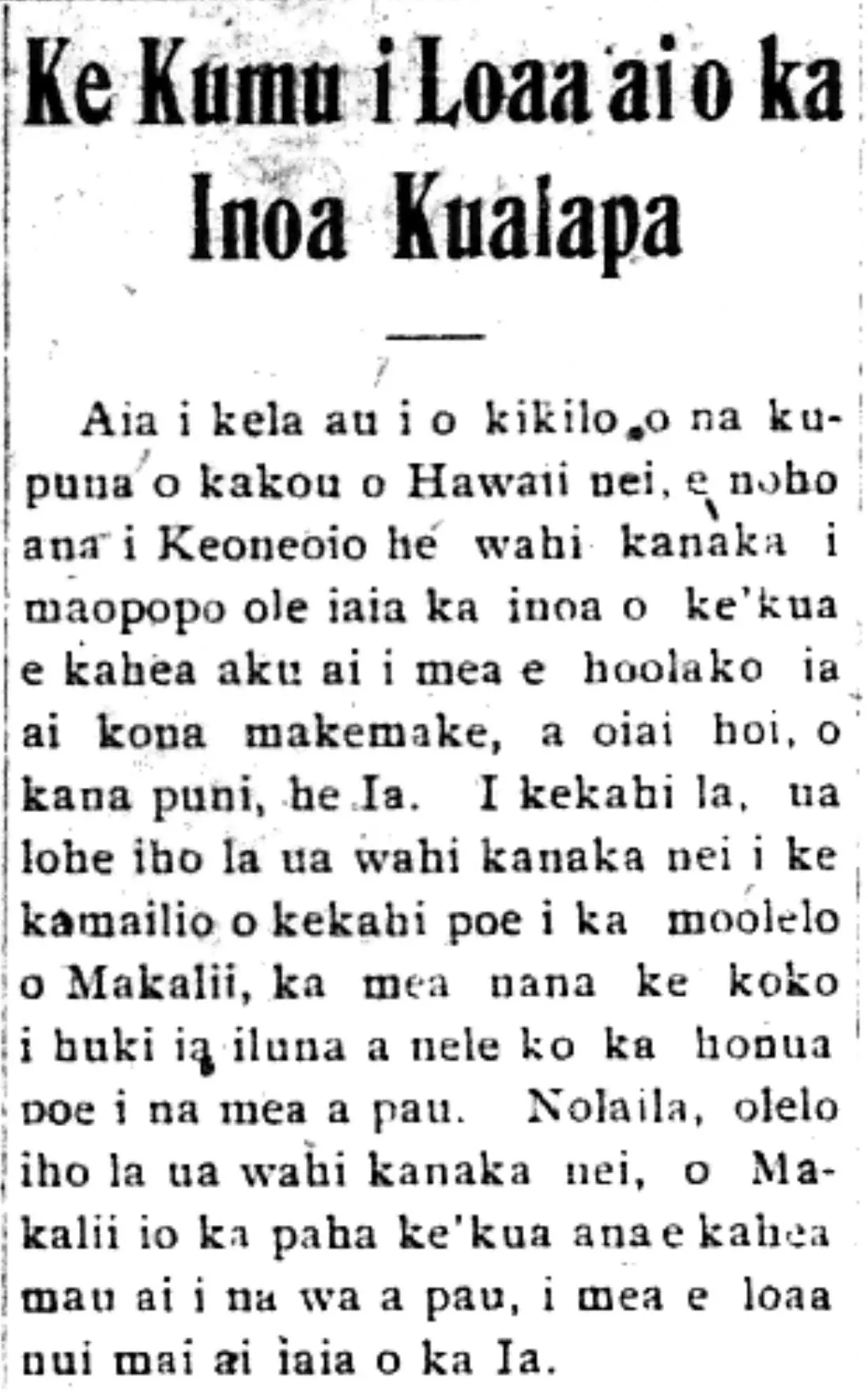
Image: Excerpt from “Ke Kumu i Loaa ai o ka Inoa Kualapa” Ka Hoku o Hawaii, July 2, 1908, page 3.
More from Ka Hoku o Hawaii
See all →
Descriptions of Travels, Near and Far
From the first Hawaiian language newspaper, Ka Lama Hawaii, until the very last, Ka Hoku o Hawaii, there were published countless accounts of travels around these islands as well as to foreign lands across the sea.
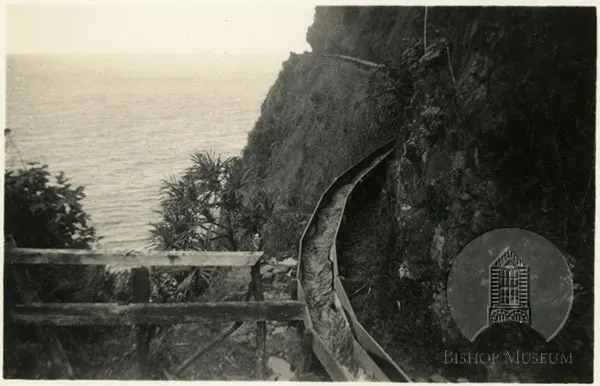
News Around Town, News to Instruct
Newspapers informed their readership of news, both foreign and domestic.
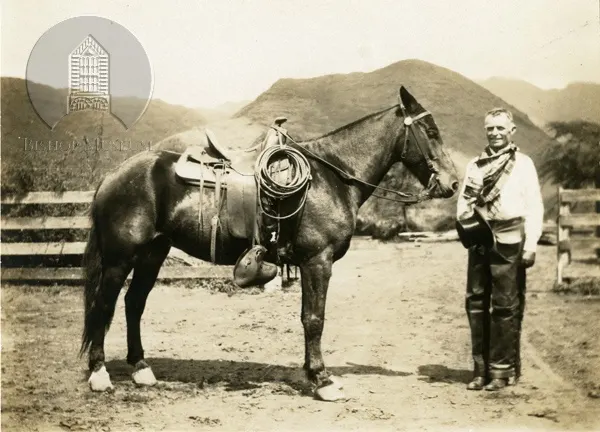
Linking the Past to the Present, Then and Now
Newspapers not only reported on the happenings of the day, but they would often supply related historical and traditional information related to the story, connecting the past with the present.
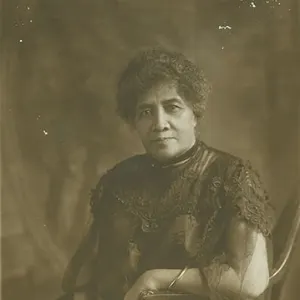
Following After the Footsteps of the Aliʻi
Newspapers reported on the latest happenings within the royal circle, whether they were on an excursion to climb Waiʻaleʻale, visiting their people in Kalaupapa, or meeting with world leaders across the globe.