
An unfamiliar feast. 1916
Cover Image: Masthead of Ka Nupepa Kuokoa published on February 25, 1916.
Today we step back 110 years with a light-hearted description of an encounter by a group of tourists with Hawaiian food.
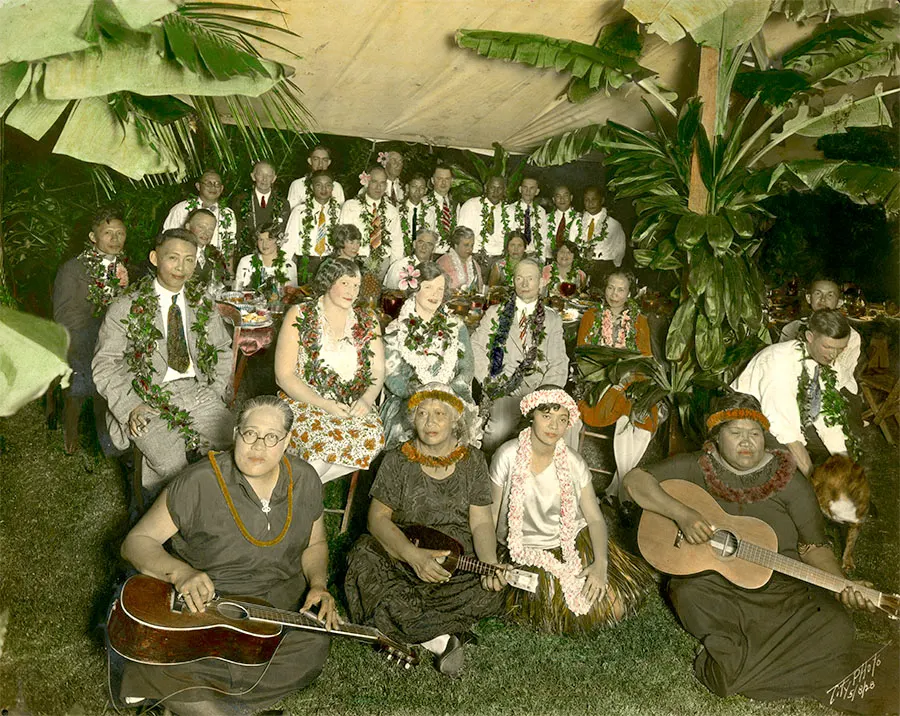
Image: Hand-tinted group of diners and musicians at a lūʻau, Honolulu, Oʻahu, Hawaiʻi. Photo by City Photo. Bishop Museum Archives. SP 205404
Image sharing on social media is welcome. For all other uses please contact Archives@BishopMuseum.org
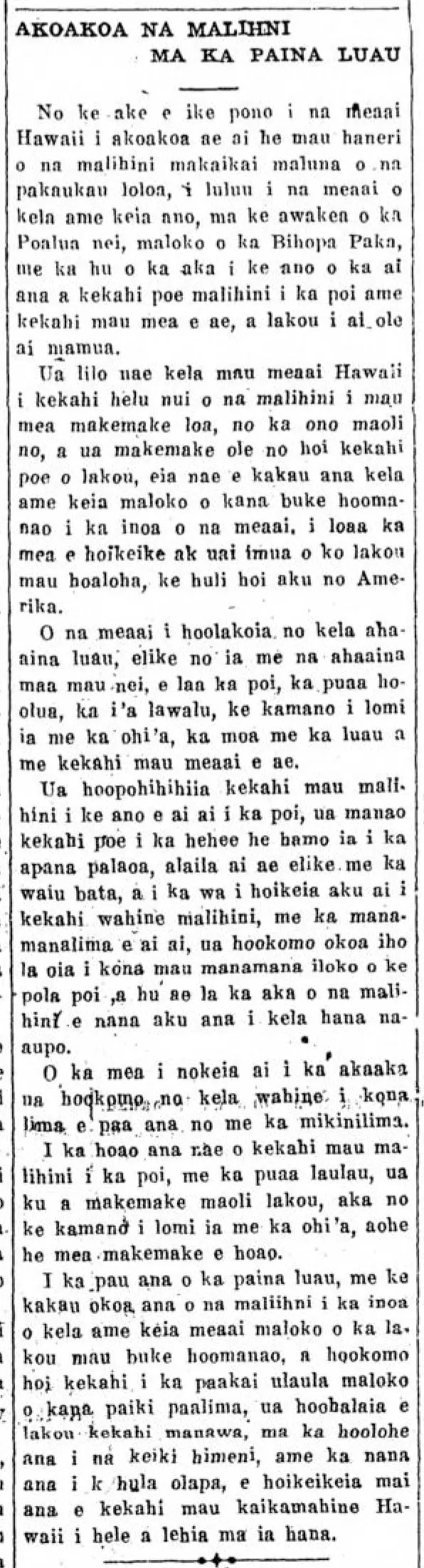
Image: “Akoakoa na Malihini ma ka Paina Luau.” Ka Nupepa Kuokoa, February 25, 1916, p. 5.
MALIHINI GATHER AT LŪʻAU
Hundreds of tourists gathered at long tables laden with all sorts of food at noon this past Tuesday, in order to see Hawaiian foods for themselves. Laughter erupted at how some of the malihini ate poi and some other things which they had not eaten before.
The Hawaiian food however became great favorites of a majority of them, because of how delicious it was, while some people did not like it. However each of them will record in their journals the names of the foods so that they have something to show before their friends when they return to America.
The foods that the lūʻau banquet was supplied with was just like a regular banquet, like poi, laulau [puaʻa hoʻolua], fish cooked in ti leaves [iʻa lāwalu], lomi salmon [kāmano i lomi ʻia me ka ʻōhiʻa], chicken lūʻau [moa me ka lūʻau] and some other foods.
Some malihini were confused at how to eat poi. Some thought because it was soft, that it was to spread on a piece of bread, and eat it like butter. And when a malihini woman was shown that it was eaten with the fingers, she put all of her fingers into the poi bowl and the malihini who were watching that ignorant act broke out in laughter.
What made the laughter go on was that the woman had stuck her hand in while wearing gloves.
However, when some malihini tried the poi, and the laulau pig, they came to truly like it, but of the lomi salmon, there was no one willing to try it.
At the conclusion of the lūʻau party, the malihini wrote in their journals each of the names of the foods, and some of them placed the red salt [paʻakai ʻulaʻula] in their handbags, then they spent some time listening to the singing youth and watching hula that was performed by Hawaiian girls skilled in this activity.
This post is part of He Aupuni Palapala: Preserving and Digitizing the Hawaiian Language Newspapers, a partnership between Bishop Museum and Awaiaulu with assistance from Kamehameha Schools. Mahalo nui loa to Hawaii Tourism Authority for their support. Learn more about this project here.
More from Ka Nupepa Kuokoa
See all →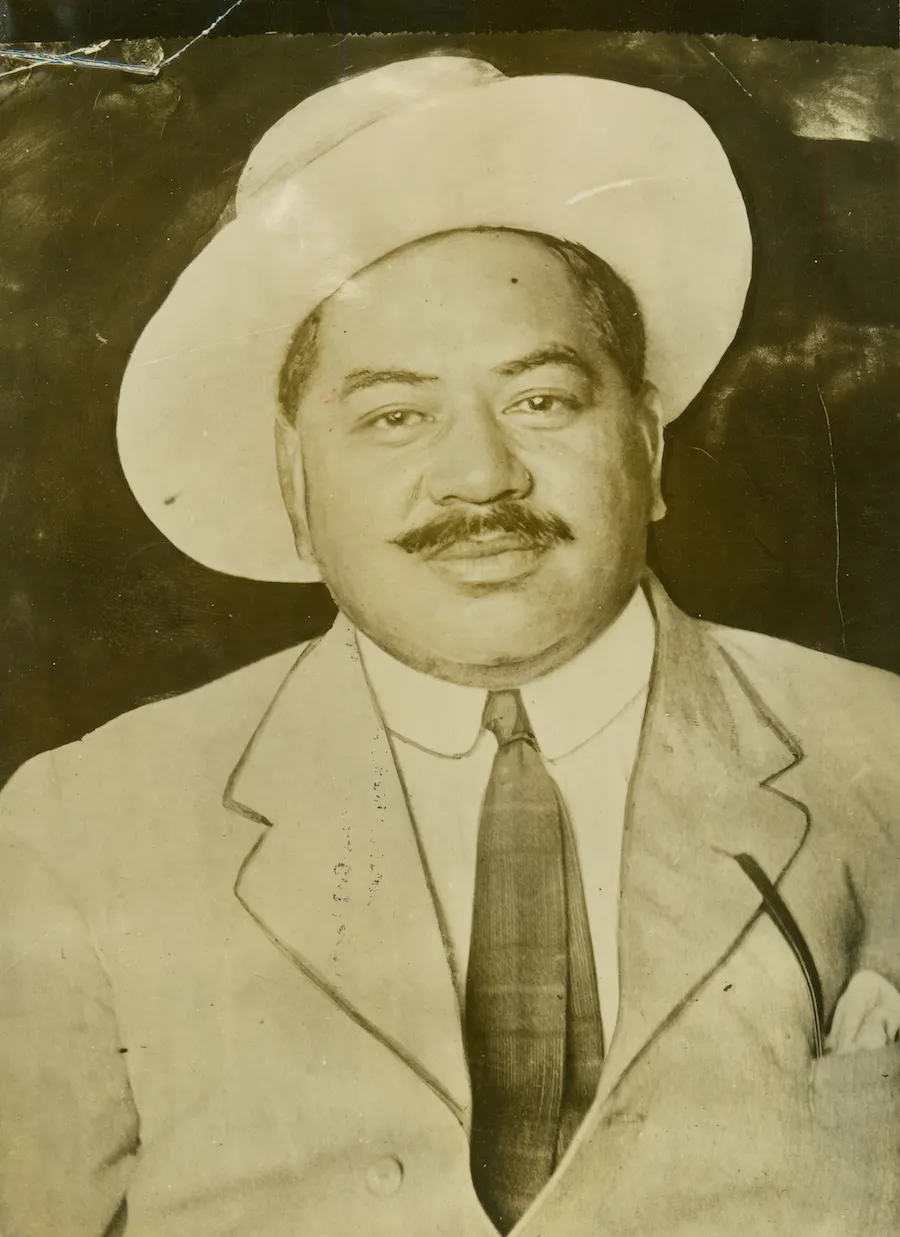
Prince Kūhiō’s Birthday to be Added to the Holidays Celebrated in Hawaiʻi, 1923.
In the House of Representatives Session of 1923, a legislative bill was introduced so that Prince Jonah Kūhiō Kalanianaʻole’s birthday, March 26th, would be assigned a holiday and added to the holidays celebrated in Hawaiʻi.
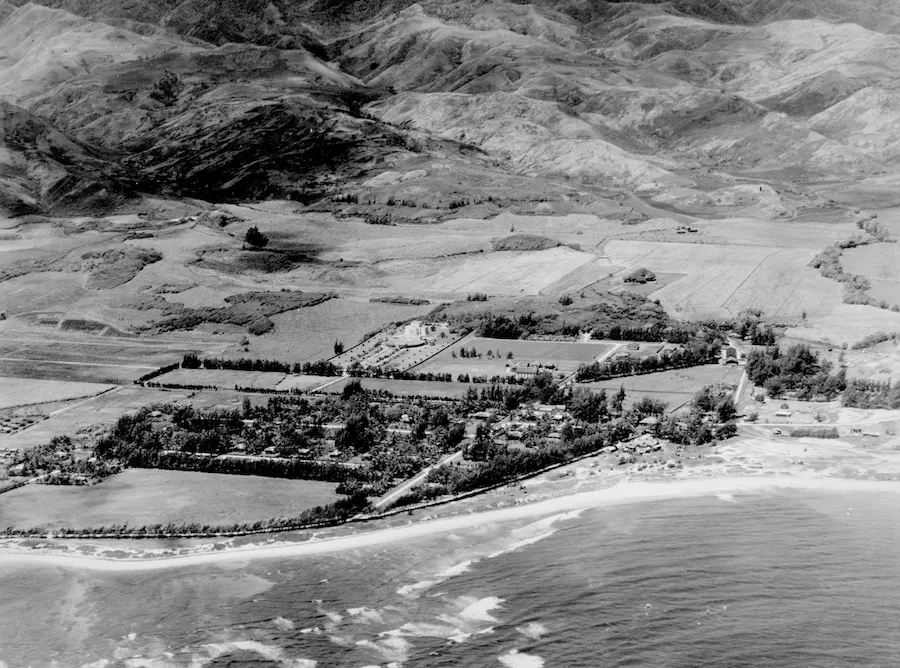
Bits of News from Lāʻie, Those Passed On and Kūlolo Peddled from Kauaʻi.
In many of the Hawaiian language newspapers, there was a column of short, random news items sent in by local correspondents: descriptions of neighborhood parties, extreme weather, fundraiser announcements, and so forth.
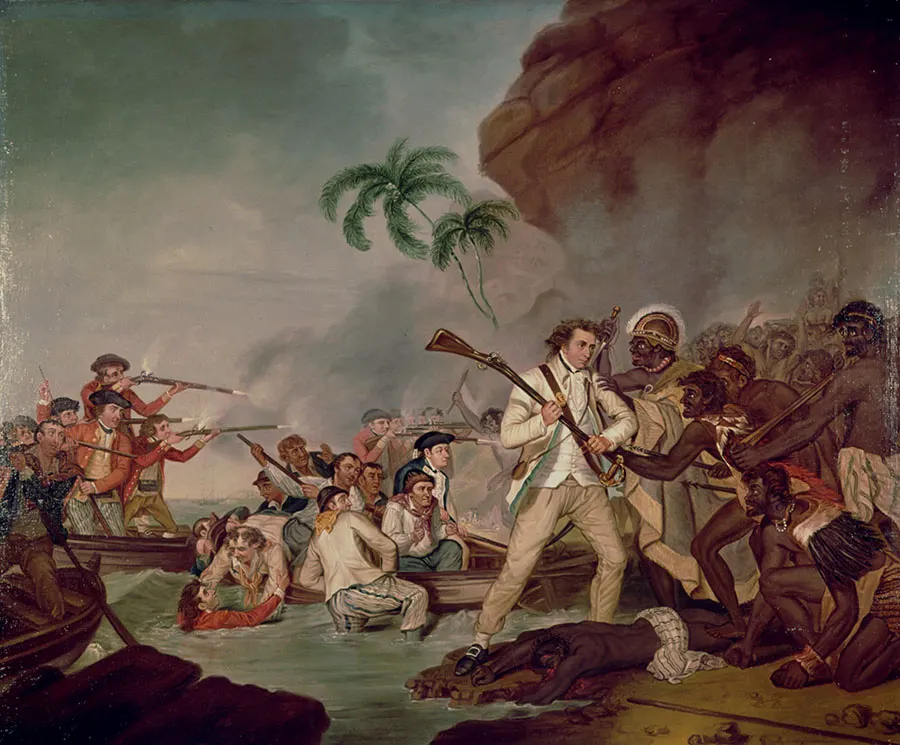
On this day 247 years ago, HMS Resolution left Kealakekua for the second time.
The following account of Captain James Cook’s demise 247 years ago was retold by J. A. Naui, 164 years ago, based on “Ka Mooolelo Hawaii,” written at Lahainaluna 188 years ago.
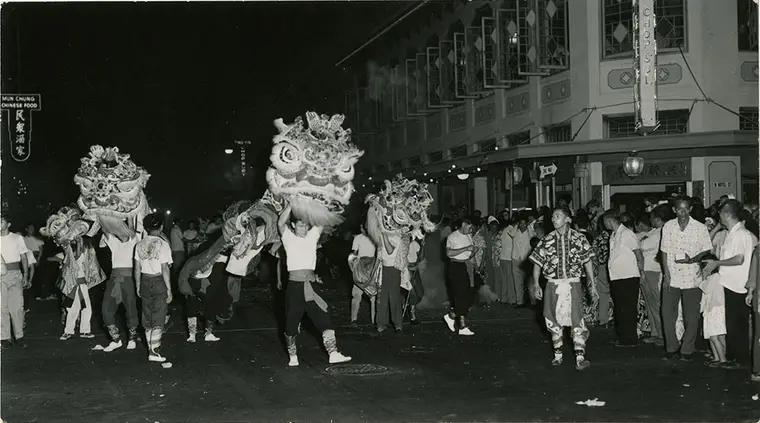
Happy Year of the Horse!
“Konohī!” is the Hawaiian word for the lunar new year as well as the greeting used on the occasion. It is said to have come from the Cantonese congratulatory expression, “Gong Hei.”